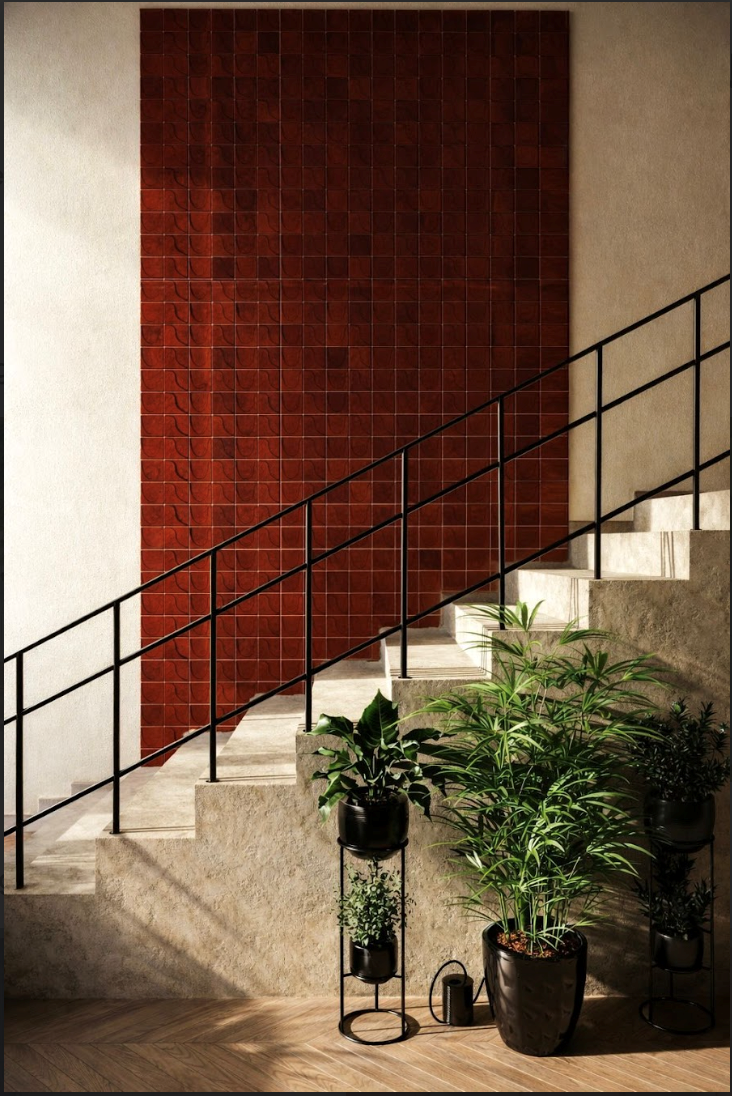
Beyond Surface: The Emerging Language of Smiljan Radić and DNZ Tiles
You may not know his name yet — but you will.
Smiljan Radić, the 2026 Pritzker Prize laureate, stands among the most quietly influential voices in contemporary architecture. His work does not seek attention through scale or spectacle. Instead, it operates on a more subtle level — shaping atmosphere, perception, and emotional experience.
In Radić’s architecture, buildings rarely feel grounded in the conventional sense. They hover, they soften their own mass, and they challenge the idea of permanence. In projects such as the Serpentine Pavilion, structure becomes almost immaterial — suspended between presence and absence.
For Radić, surface is never a secondary element.
It is not a finish applied at the end of a process, but an active, living condition. Surfaces absorb light, shift throughout the day, and establish a direct sensory relationship with the user.
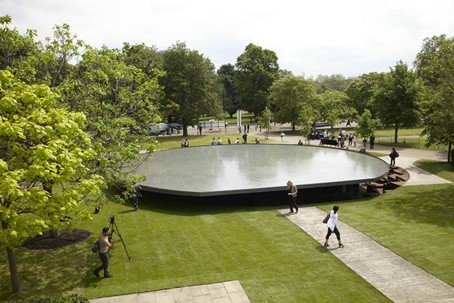
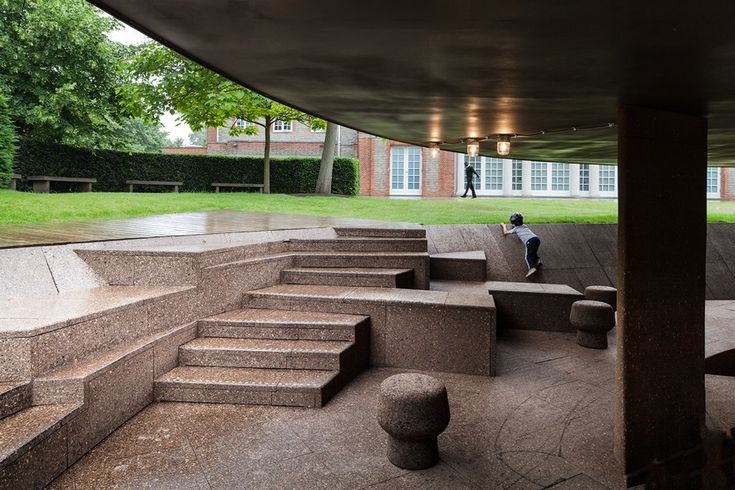
This way of thinking finds a natural continuation in the philosophy behind DNZ Tiles.
At DNZ Tiles, surface is approached not as repetition, but as variation. Each piece carries subtle tonal differences, slight irregularities, and textural depth — intentionally preserved as part of the design language. Because in nature, nothing truly repeats itself. And materials that aim to feel alive should reflect that truth.
Light plays a defining role.
A single surface does not remain constant; it evolves. Morning, noon, and evening reveal different qualities, different depths, different emotions.
In this sense, DNZ Tiles moves beyond the conventional understanding of ceramic as a decorative layer. It proposes a new material language — one that engages with space, interacts with light, and invites perception rather than simply covering a surface.
Much like Radić’s architectural approach, the intention is not to create something static or complete.
It is to create something that continues to exist through experience.